History

The Queen Victoria Mosque: A Living National Heritage Site

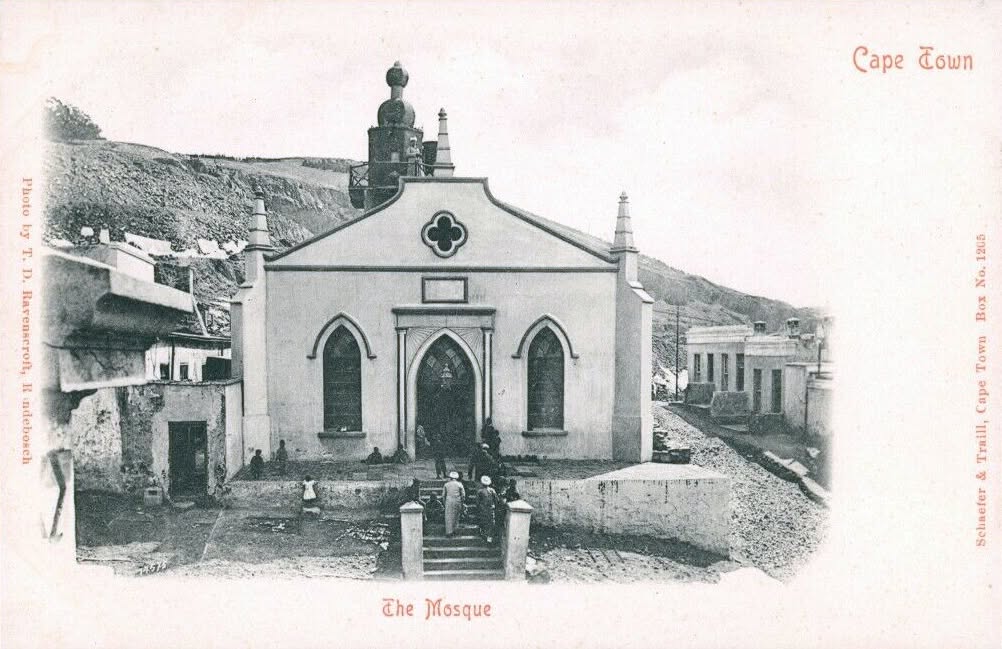
The story of the Jameah Masjied is inextricably linked with the birth of Islam in South Africa. Completed in the early 1850s, the mosque holds the distinct honor of being the first Islamic place of worship built on land explicitly granted for a mosque site by the British Crown—a gesture that earned it the historical moniker, the Queen Victoria Mosque.

The site itself holds immense spiritual weight: it sits adjacent to the disused stone quarry where the very first Jumu’ah (Friday Congregational Prayer) in South Africa was openly performed back in 1790.

Key Historical Milestones

  • 1790: First open Jumu’ah performed at the adjacent stone quarry.

  • 1850s: Land formally granted and the original structure completed, establishing it as the largest mosque in the area.

  • 1903: Installation of the historic timber minaret.

  • 1914: The mosque is expanded to accommodate growing congregations under the Hiempu agreement, promoting shared rotational leadership among Cape Town’s Imams.

  • 1914 (Continued): Construction of a new, permanent brick minaret alongside the mosque’s structural expansion to replace or complement the earlier timber structure to handle the influx of worshippers under the Hiempu arrangement.

  • Late 20th Century: Ongoing preservation and restoration efforts by the local Bo-Kaap community to protect the architectural heritage of the mosque, which stands as a vital monument to Cape Malay history and the struggle for religious freedom.

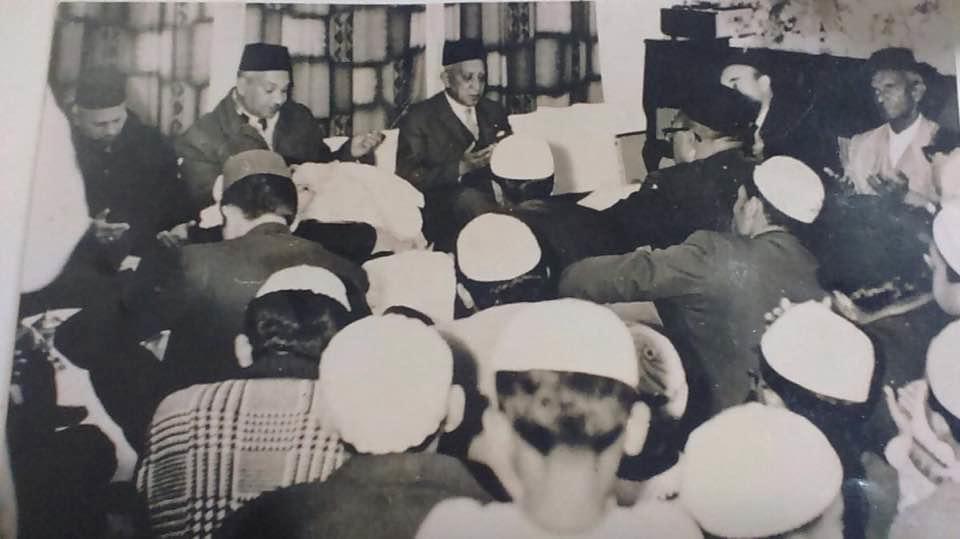
A Visual Journey Through Time